

The Eye: A Marvel of Protection and Vulnerability
Your eyes are among the most delicate organs in your body — soft, exposed, and constantly in contact with the outside world. Yet they remain astonishingly clear and functional thanks to a system of defenses unlike any other.
So, does your immune system know about your eyes?
The answer: not entirely — and that’s on purpose.
If your immune system were fully aware of your eyes, it might treat them as a potential threat. In fact, if it ever decided to “attack” them, you could lose your sight. That’s why your body uses a specialized mechanism called immune privilege to protect your eyes from your own defenses.
What Is Immune Privilege?
Immune privilege is a biological safeguard found in only a few parts of the body — the eyes, brain, testes, and placenta. It’s a kind of peace treaty between the immune system and certain critical organs that can’t tolerate inflammation.
Inflammation, while helpful for fighting infection, causes swelling and heat. Inside your eye, even slight inflammation could blur or destroy your vision. To prevent this, your eyes are designed to be partially “invisible” to the immune system.
The eye achieves immune privilege through several remarkable features:
- A blood-retinal barrier: A tightly sealed layer of cells separates your bloodstream from your retina, preventing immune cells from entering freely.
- Immune-suppressive molecules: These chemical signals keep local inflammation under control.
- Specialized cells: The eye produces cells that can deactivate immune responses before they cause damage.
So when you ask, does your immune system know about your eyes, the answer is: only as much as it needs to — no more.

Why the Immune System “Ignores” the Eyes
The immune system’s main job is to identify and destroy invaders like bacteria and viruses. But in the process, it can also damage the body’s own tissues. That’s why immune privilege evolved — to protect sensitive structures from friendly fire.
Imagine your immune system as a security team armed with flamethrowers. They’re great for fighting off intruders, but you wouldn’t want them patrolling a museum filled with priceless glass sculptures. That’s what your eyes are — fragile, irreplaceable works of biological art.
By reducing immune activity, your body protects vision. But this truce comes with trade-offs.
If an infection does reach the eye, your immune system responds more slowly, which can make some eye infections harder to fight. This is why quick treatment is crucial for any redness, pain, or vision changes.
When the Immune System “Finds” the Eyes
Although your eyes are usually hidden from the immune system, certain situations can break that protection:
- Injury: A cut, puncture, or surgery can expose hidden eye tissue to immune cells, making the eye a target.
- Infection: Bacteria or viruses in the eye can trigger an immune response, sometimes leading to inflammation.
- Autoimmune disorders: Conditions like uveitis or optic neuritis occur when the immune system mistakenly attacks eye tissues.
In these cases, the immune privilege barrier can fail. Once your immune system “knows” about your eyes, it may not forget — resulting in chronic inflammation or recurring vision problems.
So yes — does your immune system know about your eyes becomes a critical question during injury or disease, because the wrong immune reaction can permanently damage vision.
Experiencing eye inflammation or pain? Visit your eye care specialist or ask your pharmacy team about preservative-free lubricating drops and anti-inflammatory options.

How the Body Balances Defense and Damage
Your immune system walks a tightrope: it must defend against infection without overreacting.
Within the eye, this balance is especially delicate. The immune privilege system continuously sends “peace signals” to prevent inflammation, but if those signals fail — even slightly — vision can be compromised.
This balance helps explain why does your immune system know about your eyes is such a fascinating medical question. Researchers study this relationship not only to understand autoimmune eye disease, but also to advance transplant and gene therapies.
Because the eye is immune-privileged, it’s an ideal testing ground for stem cell treatments and vision restoration research — new cells can survive there longer before being attacked by the immune system.
Conditions Linked to Immune Privilege Breakdown
When the immune system does target the eyes, several serious conditions can result:
- Uveitis: Inflammation of the middle layer of the eye, often linked to autoimmune disease.
- Scleritis: Severe pain and redness caused by immune system activation.
- Optic neuritis: Inflammation of the optic nerve, sometimes connected to multiple sclerosis.
- Autoimmune retinopathy: The immune system mistakenly attacks retinal proteins, leading to vision loss.
If you ever experience blurred vision, light sensitivity, or persistent eye pain, don’t wait — these could be signs that your immune system has discovered your eyes and needs medical intervention.

How to Keep Your Eyes and Immune System in Harmony
You can’t directly control immune privilege, but you can strengthen your body’s resilience overall:
- Eat a balanced diet rich in antioxidants (leafy greens, citrus, fish oil).
- Manage stress, which can disrupt immune balance.
- Stay hydrated to support cellular function.
- Wear UV-blocking sunglasses outdoors.
- Don’t ignore eye infections or injuries — early treatment prevents complications.
Simple habits make a big difference in keeping your immune and visual systems working together instead of against each other.
Want everyday products that support immune health? Explore your pharmacy’s wellness section for probiotics, zinc, and vitamin C supplements.
Q&A: Does Your Immune System Know About Your Eyes?
Why doesn’t the immune system attack the eyes like it does other organs?
The eyes have immune privilege, meaning inflammation is limited to prevent vision damage.
What happens if the immune system starts attacking the eyes?
It can cause autoimmune eye diseases like uveitis or optic neuritis, sometimes leading to blindness.
Can eye injuries make the immune system aware of the eyes?
Yes. Trauma or surgery can expose eye proteins to immune cells, triggering unwanted inflammation.
Are there other immune-privileged organs?
Yes — the brain, testes, and placenta also have immune privilege to prevent inflammation damage.
How can I protect my immune system and eyes naturally?
Eat antioxidant-rich foods, manage stress, sleep well, and get regular eye exams.
Final Thoughts
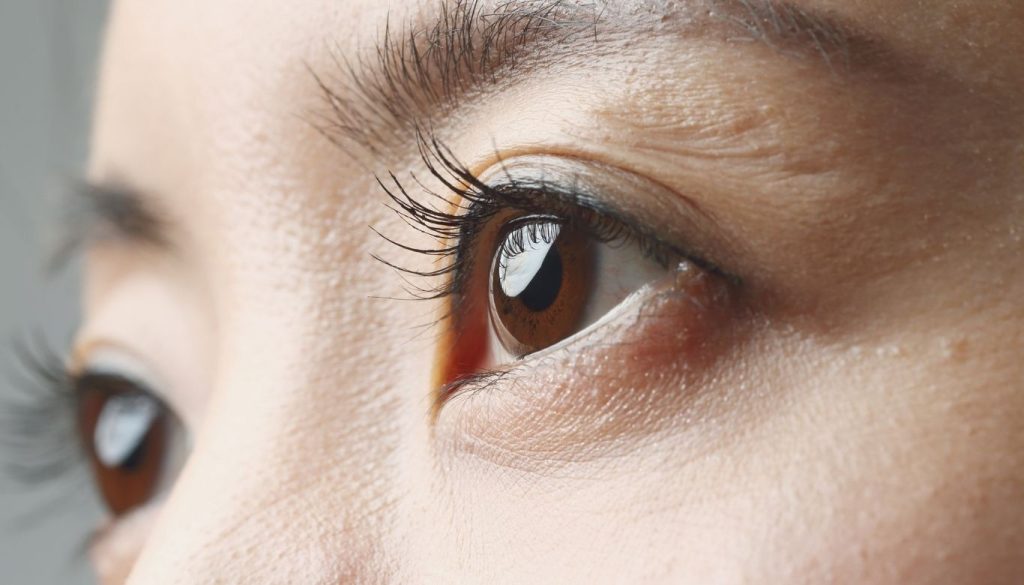
So, does your immune system know about your eyes? Not entirely — and that’s what keeps you seeing clearly.
Your eyes are one of nature’s rare “no-fly zones” for the immune system. This fragile peace protects your vision every second of your life.
More Than a Pharmacy — We’re Your Community Partner
At Davies Prescription Pharmacy, we’ve been proudly serving the North Shore community since 1974. For issues like community acquired pneumonia Canada, we’re here with:
-
Medication reviews and compliance packs
-
Immunization services (flu, pneumococcal)
-
Travel health and respiratory support
Need mobility aids or homecare support after illness? Visit our sister company, Davies Home Healthcare, for stairlifts, hospital beds, wheelchairs, and more.
Contact Us for pharmacy services
Book an appointment today