
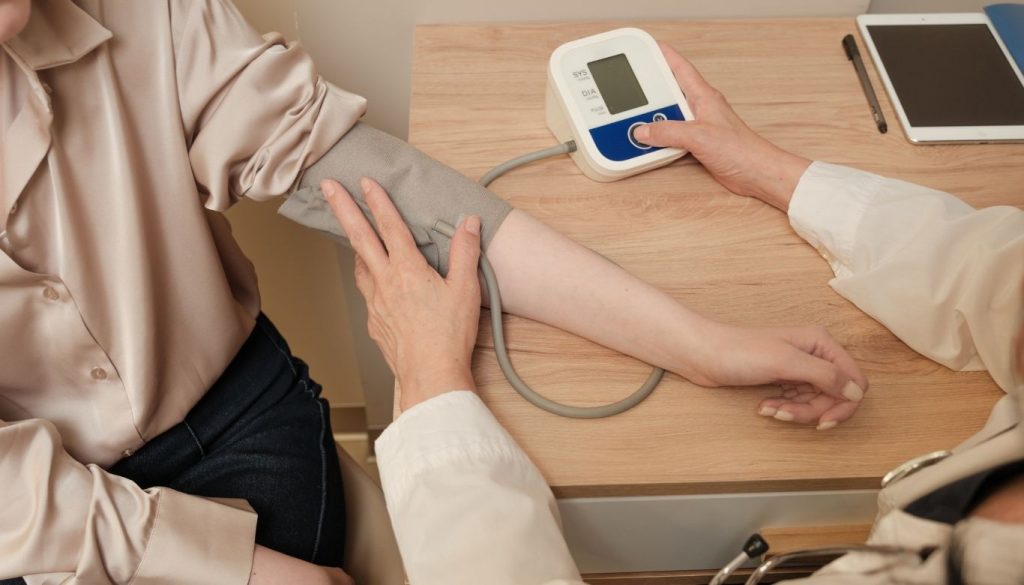
The Connection Between High Blood Pressure and Ringing in Ears
It might surprise you to learn how closely your cardiovascular and auditory systems are connected. When high blood pressure and ringing in ears occur together, it’s often more than coincidence.
Blood pressure affects every part of your body — including the tiny, delicate blood vessels that feed your inner ear. When pressure builds, these vessels can’t deliver oxygen as efficiently, which may cause damage or irritation that results in tinnitus — the medical term for ringing or buzzing in the ears.
In some cases, people report a pulsing or rhythmic whooshing sound that matches their heartbeat. This is known as pulsatile tinnitus, and it’s one of the clearest signs that your ringing in ears and high blood pressure are related to circulation issues rather than simple ear irritation.
If you notice these symptoms, your ears might be sounding an alarm about what’s happening deeper inside your body.
Need professional help managing your health? Contact Davies Pharmacy now!
Why High Blood Pressure Affects Hearing
Blood pressure is the force of blood pushing against your artery walls. Over time, high pressure strains these vessels, making them thicker, stiffer, and less flexible. When this happens in the small capillaries of your inner ear, blood flow becomes restricted.
Your inner ear relies on a steady oxygen supply to keep the sensory cells — called hair cells — alive and responsive. These hair cells convert sound waves into signals your brain can interpret. When they’re deprived of oxygen due to high blood pressure, they can malfunction, sending random electrical signals that your brain interprets as sound.
That’s how high blood pressure and ringing in ears become intertwined.
Even mild hypertension, if left unchecked, can gradually damage your auditory system, leading to chronic tinnitus or even hearing loss.
Tip: Monitor your blood pressure at home regularly and discuss results with your healthcare provider if you notice frequent spikes.
Looking for health supplies to help track your vitals? Explore your pharmacy’s selection of digital blood pressure monitors and health aids.

Common Triggers That Make the Ringing Worse
If you already struggle with ringing in ears and high blood pressure, you might notice the symptoms worsen in certain situations. Here are the most common triggers:
Stress and Anxiety – Stress hormones like cortisol temporarily increase blood pressure and narrow blood vessels, making tinnitus louder and more noticeable.
- Caffeine – Coffee, energy drinks, and certain teas can raise blood pressure and stimulate your auditory nerves.
- Alcohol – Excess drinking can elevate blood pressure and dilate blood vessels, intensifying pulsatile tinnitus.
- Poor Sleep – Sleep deprivation causes both high blood pressure and increased sensitivity to sound.
- Smoking – Nicotine constricts blood vessels and decreases oxygen flow to the inner ear, worsening the ringing.
If you can identify which of these habits affect your symptoms, you’ll have a clearer roadmap for relief.
Ready to improve your daily wellness routine? Stop by Davies Pharmacy for supplements, stress-relief aids, and sleep support options.
When to Worry About Pulsatile Tinnitus
Pulsatile tinnitus — a rhythmic sound that seems to match your heartbeat — deserves special attention. Unlike regular tinnitus, it’s often directly linked to changes in blood flow.
Common causes include:
- Uncontrolled high blood pressure
- Blocked arteries (atherosclerosis)
- Abnormal blood vessel formation near the ear
- Anemia or thyroid disorders
If your ringing in ears is accompanied by dizziness, vision changes, or headaches, seek medical attention immediately. These symptoms can indicate serious vascular conditions that need prompt treatment.
Don’t ignore your body’s warning signs. Schedule a blood pressure check and consultation with us today.

Treatment Options for High Blood Pressure and Ringing in Ears
While tinnitus can be persistent, there are proven strategies to manage both high blood pressure and its effects on your hearing:
1. Manage Your Blood Pressure First
Controlling hypertension is the most effective way to ease ringing in your ears.
This includes:
- Reducing sodium intake
- Exercising regularly (even brisk walking helps)
- Following a balanced, low-salt diet
- Quitting smoking
- Reducing alcohol and caffeine consumption
- Taking prescribed medication consistently
2. Address Stress and Anxiety
Mindfulness, breathing exercises, and cognitive-behavioural therapy (CBT) can help lower blood pressure while reducing tinnitus perception.
3. Limit Noise Exposure
Protect your ears from loud environments. Over time, noise damage compounds the effects of high blood pressure.
4. Try Sound Therapy or Masking Devices
White-noise machines or hearing aids with tinnitus-masking features can help you tune out the ringing while you rest or work.
Looking for supportive products like hearing protection, vitamins, or relaxation aids? Visit your nearest pharmacy or order online for fast, discreet delivery.
Lifestyle Changes That Help Both Conditions
Improving your cardiovascular health naturally benefits your hearing too. Here are some small, practical habits to add to your daily routine:
Hydrate regularly — dehydration thickens your blood and increases pressure.
- Eat potassium-rich foods like bananas, spinach, and avocado to balance sodium levels.
- Get quality sleep — aim for 7–8 hours nightly.
- Manage stress through yoga, journaling, or nature walks.
- Monitor medications — ask your pharmacist if any of your prescriptions may cause or worsen tinnitus.
- These steady lifestyle improvements can help you reclaim peace and quiet in more ways than one.

When to See a Doctor
Don’t ignore high blood pressure and ringing in ears if:
- The sound is pulsing in rhythm with your heartbeat.
- You also have dizziness, blurred vision, or chest tightness.
- The ringing starts suddenly or worsens quickly.
- You experience hearing loss in one or both ears.
Early diagnosis can prevent more serious complications, including stroke or permanent hearing loss.
Q&A: Understanding High Blood Pressure and Ringing in Ears
Can high blood pressure cause permanent tinnitus?
If left untreated, yes. Long-term hypertension can damage inner ear structures and blood vessels, making the ringing permanent.
Why does my ear ring when my blood pressure goes up?
The increased pressure can cause turbulence in the blood vessels near your ear, which your auditory system interprets as sound.
Will lowering my blood pressure stop the ringing?
In many cases, yes. Once your circulation improves and your blood pressure stabilizes, tinnitus often becomes less intense or disappears.
Are there medications that cause both high blood pressure and tinnitus?
Some drugs, like NSAIDs or loop diuretics, can affect both conditions. Always review your medications with your pharmacist.
What’s the fastest way to reduce high blood pressure naturally?
Deep breathing, reducing salt, hydrating, and walking for 10–15 minutes can temporarily lower pressure — but consistent lifestyle changes are key.
Final Thoughts
The link between high blood pressure and ringing in ears is your body’s way of signaling that something needs attention. It’s not just background noise — it’s a clue that your cardiovascular system may need care.
By managing your blood pressure and taking simple steps toward better health, you can protect your hearing, prevent complications, and restore quiet balance to your days.
More Than a Pharmacy — We’re Your Community Partner
At Davies Prescription Pharmacy, we’ve been proudly serving the North Shore community since 1974. For issues like community acquired pneumonia Canada, we’re here with:
-
Medication reviews and compliance packs
-
Immunization services (flu, pneumococcal)
-
Travel health and respiratory support
Need mobility aids or homecare support after illness? Visit our sister company, Davies Home Healthcare, for stairlifts, hospital beds, wheelchairs, and more.