
Why Blood Sugar Testing Matters
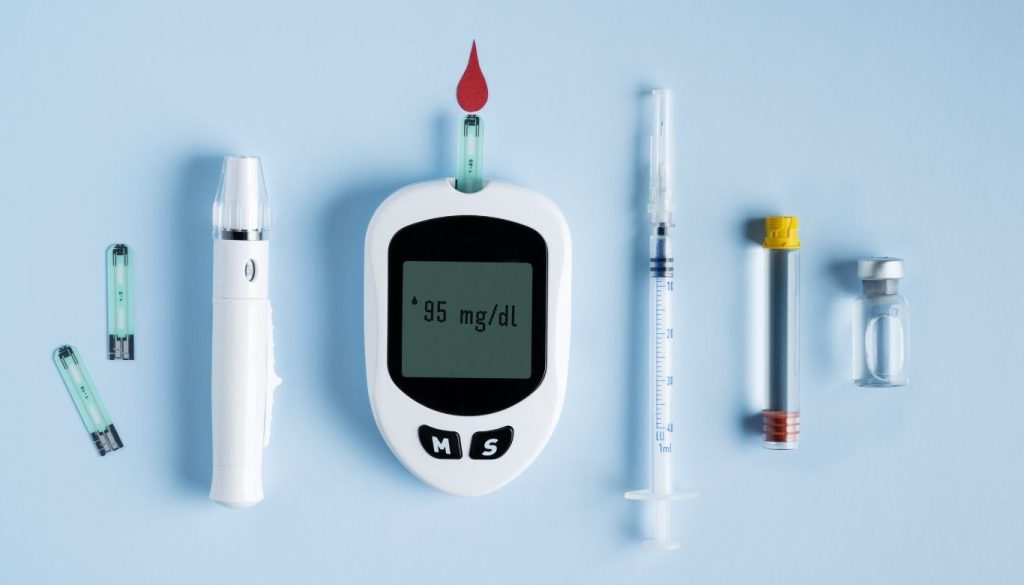
Blood sugar testing helps you track how your body is processing glucose — the main source of energy for your cells. Whether you use a glucose meter or a continuous glucose monitor (CGM), testing helps identify high or low readings before they lead to serious issues.
For anyone experiencing symptoms among the 15 signs of type 2 diabetes, testing is the fastest way to confirm what’s really happening in your body.
How High Blood Sugar Develops
Type 2 diabetes occurs when your body becomes resistant to insulin or doesn’t produce enough to keep glucose at healthy levels. Over time, this leads to hyperglycemia — a buildup of sugar in the blood.
Without proper monitoring, this can quietly cause long-term damage to the heart, kidneys, eyes, and nerves. That’s why understanding the 15 signs of type 2 diabetes and testing regularly is key to early management.
The 15 Signs of Type 2 Diabetes
If you’re wondering whether your symptoms could be diabetes-related, look for these warning signs:
- Frequent urination
- Extreme thirst
- Sudden weight loss
- Fatigue
- Blurred vision
- Numbness in hands or feet
- Slow-healing cuts
- Dry or itchy skin
- Frequent infections
- Increased hunger
- Dark patches on the neck or armpits
- Dental problems
- Tingling sensations
- Mood swings
- Persistent dehydration
If you notice several of these symptoms, especially fatigue, thirst, or slow wound healing, it’s time to get tested. The 15 signs of type 2 diabetes often appear gradually — many people live with them for months before diagnosis.
When and How Often to Test Blood Sugar
The frequency of testing depends on your diagnosis, medication, and health status.
- For Type 2 Diabetes (on insulin): Test before meals and at bedtime.
- For Type 2 Diabetes (on oral medication): Once or twice a day may be enough.
- For Prevention: Testing weekly or monthly can help spot early changes.
If you’ve noticed any of the 15 signs of type 2 diabetes, test at least once a day for a week and track your results.
Your pharmacist or healthcare provider can show you how to use a meter correctly and interpret your readings.

How to Test Your Blood Sugar Step-by-Step
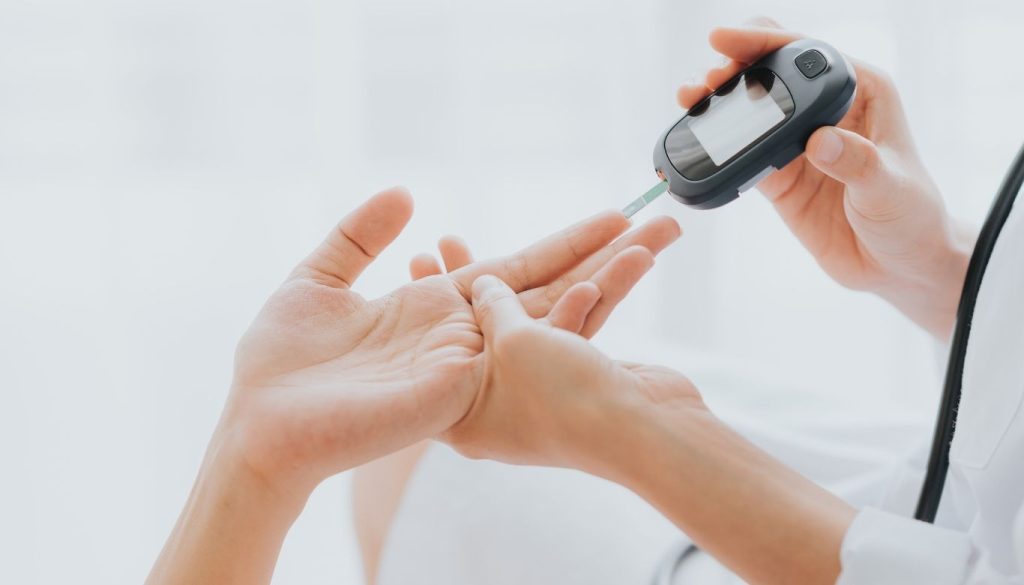
- Wash and dry your hands thoroughly.
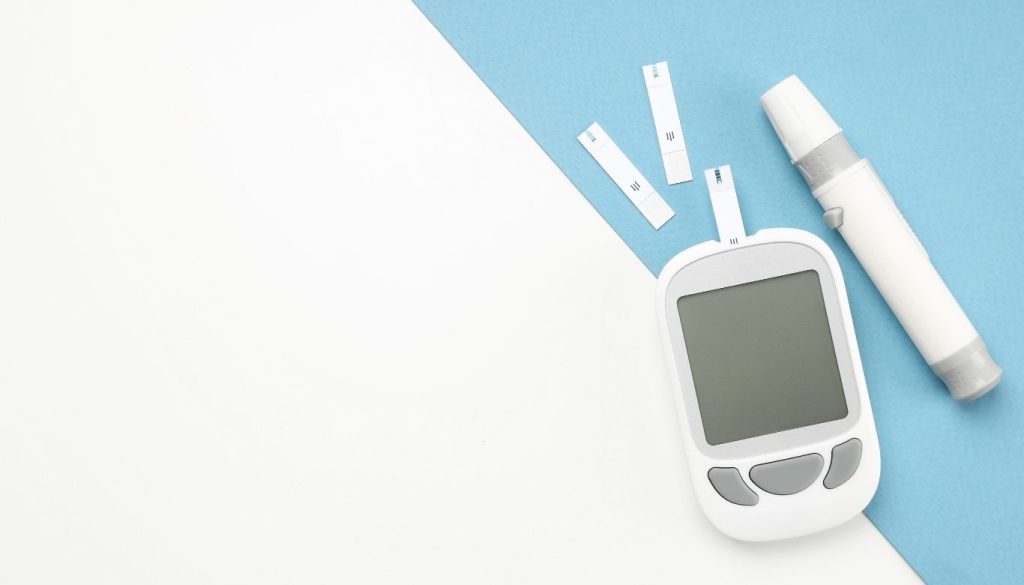
- Insert a clean test strip into your glucose meter.
- Use a lancet to prick the side of your fingertip.
- Touch the blood drop to the test strip.
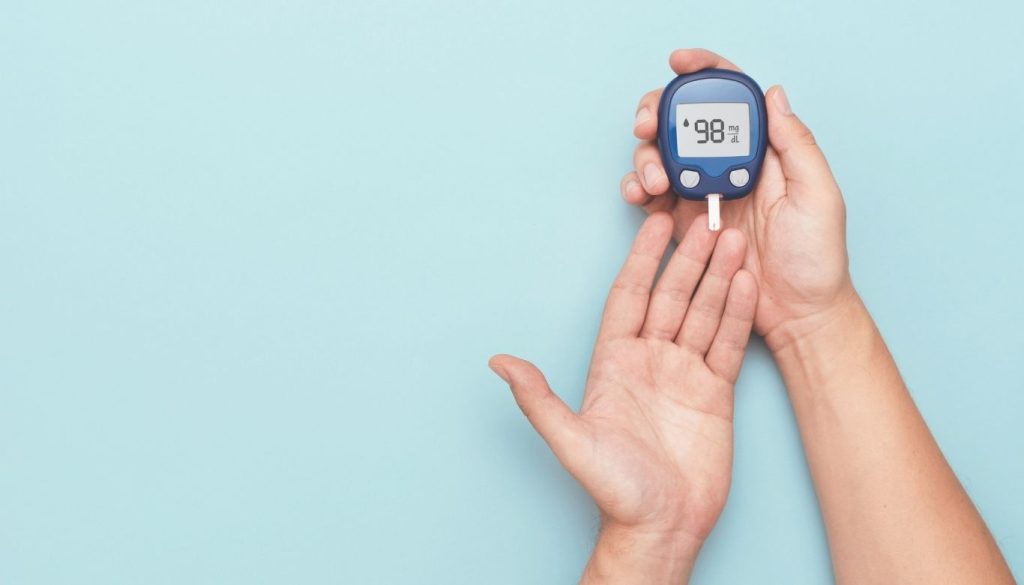
- Wait a few seconds for your reading to appear.
Record your results each time, noting the date, time, and any recent meals or exercise. If your numbers are consistently high — and you’re noticing any of the 15 signs of type 2 diabetes — book an appointment for a professional evaluation.
Continuous Glucose Monitors (CGMs)
Modern CGMs track your glucose levels every few minutes using a tiny sensor placed under the skin. They send data directly to your phone or receiver, making it easier to manage fluctuations in real time.
If you’re managing type 2 diabetes or at risk due to the 15 signs of type 2 diabetes, a CGM can help you stay one step ahead.
Common Factors That Affect Blood Sugar
Several things can cause your readings to spike or drop unexpectedly:
- Diet: Carbohydrate-heavy meals raise glucose quickly.
- Exercise: Activity helps lower glucose by improving insulin sensitivity.
- Stress and illness: Both can temporarily raise blood sugar.
- Medications: Some prescriptions, including steroids, may affect readings.
Understanding how these factors connect with the 15 signs of type 2 diabetes helps you manage your condition more effectively.
What Your Blood Sugar Numbers Mean
Here’s a general guide for healthy blood sugar targets:
- Before meals: 4.0 to 7.0 mmol/L
- Two hours after meals: 5.0 to 10.0 mmol/L
These numbers may vary depending on your age and health. If your readings are consistently higher, even without clear symptoms, you might be in the early stages of type 2 diabetes.
When to Talk to a Pharmacist or Doctor
If your results are unpredictable, or if you’ve noticed several of the 15 signs of type 2 diabetes, visit your healthcare provider. Early diagnosis and medication can prevent complications such as nerve damage, vision loss, or cardiovascular disease.
At Davies Pharmacy, our team can review your medications, recommend testing supplies, and guide you on how to interpret your results accurately.
Tips for Accurate Testing
- Always use non-expired test strips.
- Keep your hands clean and dry before testing.
- Avoid squeezing your finger too hard, as this can affect results.
- Store your glucose meter properly to maintain accuracy.
Small details make a big difference — and help you detect the 15 signs of type 2 diabetes sooner.
Final Thoughts
Monitoring blood sugar and understanding the 15 signs of type 2 diabetes are essential for maintaining your long-term health. With the right tools, testing routine, and professional guidance, managing your blood sugar can become second nature.
Early awareness, paired with regular monitoring, helps prevent complications and promotes a healthier, more balanced life.
More Than a Pharmacy — We’re Your Community Partner
At Davies Prescription Pharmacy, we’ve been proudly serving the North Shore community since 1974. For issues like community acquired pneumonia Canada, we’re here with:
-
Medication reviews and compliance packs
-
Immunization services (flu, pneumococcal)
-
Travel health and respiratory support
Need mobility aids or homecare support after illness? Visit our sister company, Davies Home Healthcare, for stairlifts, hospital beds, wheelchairs, and more.