

Wound care dressings play a vital role in supporting the body’s natural healing process, preventing infection, and minimizing scarring. Whether you’re dealing with a minor cut, a surgical incision, a pressure ulcer, or a chronic wound, choosing the right wound care dressing can make all the difference. In this blog, we’ll explore the different types of wound care dressings, when to use them, and how to properly apply and monitor them.
Why Wound Care Dressings Matter
When skin is broken, the body becomes more vulnerable to infection and complications. Wound care dressings are designed to create an optimal environment for healing by:
- Keeping the wound moist
- Protecting it from bacteria and contaminants
- Absorbing exudate (wound fluid)
- Reducing pain and trauma during dressing changes
- Encouraging tissue regeneration
Understanding which wound care dressing to use—and when—is key to successful recovery.
1. Gauze Dressings
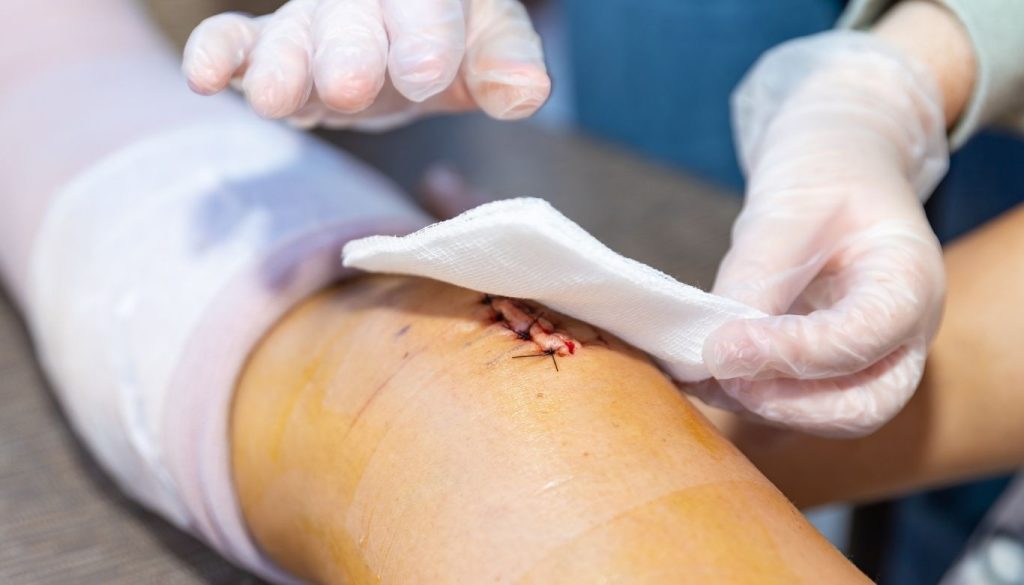
Gauze is a classic and versatile wound care dressing, ideal for minor cuts, scrapes, and post-surgical incisions. It can be used dry or soaked in saline, and it’s often paired with other dressings.
Best for:
- Superficial wounds
- Absorbing light to moderate drainage
- Covering surgical sites
Considerations: Gauze can stick to wounds if not properly moistened, potentially damaging healing tissue during removal.

2. Foam Dressings
Foam wound care dressings are highly absorbent, making them suitable for moderate to heavily exuding wounds. They provide cushioning and maintain a moist healing environment.
Best for:
- Pressure ulcers
- Diabetic foot ulcers
- Surgical wounds
Considerations: May require a secondary dressing or fixation method.
3. Hydrocolloid Dressings
These self-adhesive dressings form a gel when they come in contact with wound fluid, maintaining a moist environment and supporting autolytic debridement.
Best for:
- Dry or lightly exuding wounds
- Pressure sores
- Minor burns
Considerations: Not recommended for infected wounds due to their occlusive nature.
4. Alginate Dressings
Made from seaweed-derived materials, alginate wound care dressings are highly absorbent and form a gel that promotes healing.
Best for:
- Heavily exuding wounds
- Cavity wounds
- Surgical wounds
Considerations: Not suitable for dry wounds or wounds with minimal drainage.
5. Transparent Film Dressings
These thin, flexible, and waterproof dressings allow for easy wound monitoring without removal.
Best for:
- Superficial wounds
- Minor burns
- IV sites
Considerations: Avoid on wounds with heavy exudate—film dressings can trap moisture.
6. Hydrogel Dressings
Hydrogel wound care dressings provide moisture to dry or necrotic wounds, helping to soften tissue and reduce pain.
Best for:
- Dry or painful wounds
- Radiation burns
- Partial-thickness burns
Considerations: May require a secondary dressing to hold it in place.
7. Collagen Dressings
Collagen dressings support the natural healing process by stimulating new tissue growth and helping to remove dead tissue.
Best for:
- Chronic wounds
- Surgical wounds
- Second-degree burns
Considerations: Not suitable for patients with collagen allergies.

8. Silver Dressings
Silver-infused wound care dressings provide antimicrobial action, helping to reduce bacterial load in infected or high-risk wounds.
Best for:
- Infected wounds
- Chronic non-healing wounds
- Burns
Considerations: Use under the guidance of a healthcare provider to avoid overexposure to silver.
9. Composite Dressings
Composite dressings combine multiple layers—typically an absorbent pad, a semi-permeable film, and a non-stick layer—to provide protection, absorption, and easy removal.
Best for:
- Mixed-stage wounds
- Heavily draining wounds
- Surgical incisions
Considerations: May be more expensive than single-material dressings.
How to Choose the Right Wound Care Dressing
When selecting a wound care dressing, consider the following:
- Wound depth and size
- Amount of drainage
- Presence of infection
- Wound location
- Patient sensitivity (e.g., allergies)
Consulting with a wound care specialist or pharmacist can help you select the most effective dressing based on your needs.
Proper Application and Care
To maximize the benefits of your wound care dressing:
- Clean the wound gently with saline or a wound cleanser.
- Dry the surrounding skin before applying the dressing.
- Follow dressing instructions for frequency of changes.
- Watch for signs of infection: redness, swelling, odor, increased pain, or pus.
When to See a Healthcare Professional
Seek medical advice if:
- The wound shows signs of infection
- There’s persistent or increased pain
- The wound isn’t healing as expected after 1–2 weeks
- You have a chronic condition like diabetes
FAQs: Wound Care Dressings
What is the most common wound care dressing?
Gauze is one of the most commonly used wound care dressings due to its affordability and flexibility.
Can I use wound care dressings at home?
Yes, for minor wounds. For larger or infected wounds, seek professional advice.
How often should I change my wound dressing?
Depends on the wound type and dressing used—anywhere from daily to every 5 days. Follow product instructions or your healthcare provider’s advice.
Do wound care dressings expire?
Yes. Always check the expiry date and packaging integrity before use.

Where to Buy Wound Care Dressings in North Vancouver
At Davies Pharmacy, we stock a wide selection of wound care dressings tailored to every type of wound—from everyday cuts to complex ulcers. Our trained team can guide you on what to choose, how to apply it, and when to change it.
Whether you need gauze, silver dressings, or advanced hydrocolloids, we’re here to help with trusted brands and expert advice.
Explore our full range of pharmacy services to see how we can help you live more comfortably and confidently.
Get in touch with us today — we’re here to help with expert care and prompt answers.
Book your appointment online now and get personalized recommendations for your health and home care needs.