
If you’ve been sent home with wound care instructions, you might feel unsure about what comes next. At Davies Pharmacy, we’ve helped thousands of patients manage at-home wound care with confidence, clarity, and the right supplies. Whether you’re healing from surgery, a pressure ulcer, or a diabetic wound, having a well-organized and properly used wound care package can make all the difference.
In this blog, we’ll walk you through exactly what a wound care package is, how to store it safely, how to use it correctly, and what to watch out for during healing—all based on best practices and industry guidelines, including those shared by experts at NewYork-Presbyterian Hospital.
What Is a Wound Care Package?
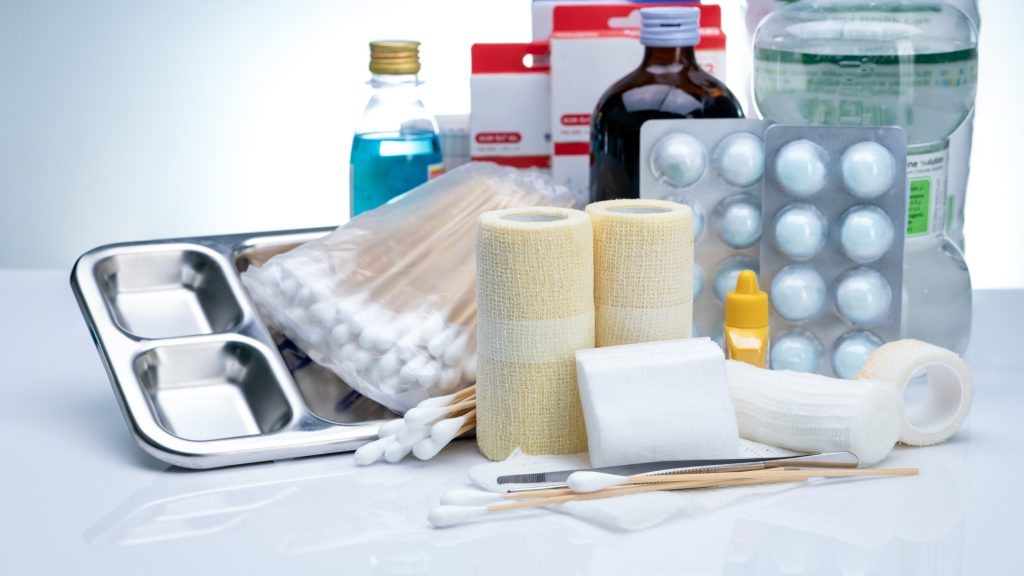
A wound care package is a collection of essential medical supplies designed to help you clean, dress, and monitor your wound at home. Depending on your specific condition and your physician’s instructions, your package may include:
- Sterile gauze and dressings (for wound coverage and absorption)
- Wound packing material (for deep or tunneling wounds)
- Antiseptic or saline solution
- Adhesive medical tape and bandages
- Medical gloves (disposable, powder-free)
- Cotton-tipped applicators
- Wound cleanser or irrigation syringes
- Trash bags or biohazard disposal supplies
You can also ask your pharmacist at Davies Pharmacy to customize a package based on your wound type and care needs.

Best Practices for Storing Your Wound Care Package
Proper storage is the foundation of effective wound care. It helps maintain sterility, prevents contamination, and makes it easier to follow through on your routine.
1. Designate a Clean Storage Space
Store all supplies in a clean, dry location. Use a sealed container with compartments for organization, and avoid storing items near the bathroom or kitchen sink to reduce contamination risk.
2. Keep It Accessible
Place the package somewhere convenient so you’re not scrambling during dressing changes. If your mobility is limited, choose a low shelf or table that you can reach comfortably.
3. Check Expiry Dates Monthly
Many antiseptics, ointments, and wound dressings have expiration dates. Review your kit monthly and discard anything outdated or visibly compromised.
4. Label Items Clearly
Use small sticky notes or masking tape to label supplies that need frequent replacement, like gauze or saline. This helps family members or caregivers refill items easily.

How to Use Your Wound Care Package Safely
Every wound is different, so always follow your healthcare provider’s instructions. Below is a general guide to help you navigate home wound care safely and confidently.
Step-by-Step Wound Care Guide
This method is adapted from best-practice medical protocols and the NewYork-Presbyterian wound packing guide.
1. Prepare Your Station
- Wash your hands thoroughly for 20 seconds with soap and warm water.
- Lay a clean towel on a table or countertop.
- Arrange your supplies: gloves, saline or antiseptic solution, gauze, tape, dressing, cotton swabs.
- Put on your medical gloves.
2. Remove the Old Dressing
- Gently peel away the tape and dressing.
- If the dressing sticks, dampen it with sterile saline to loosen it.
- Place used materials in a sealed plastic bag.
- Remove gloves and wash your hands again.
3. Clean and Inspect the Wound
- Put on a new pair of gloves.
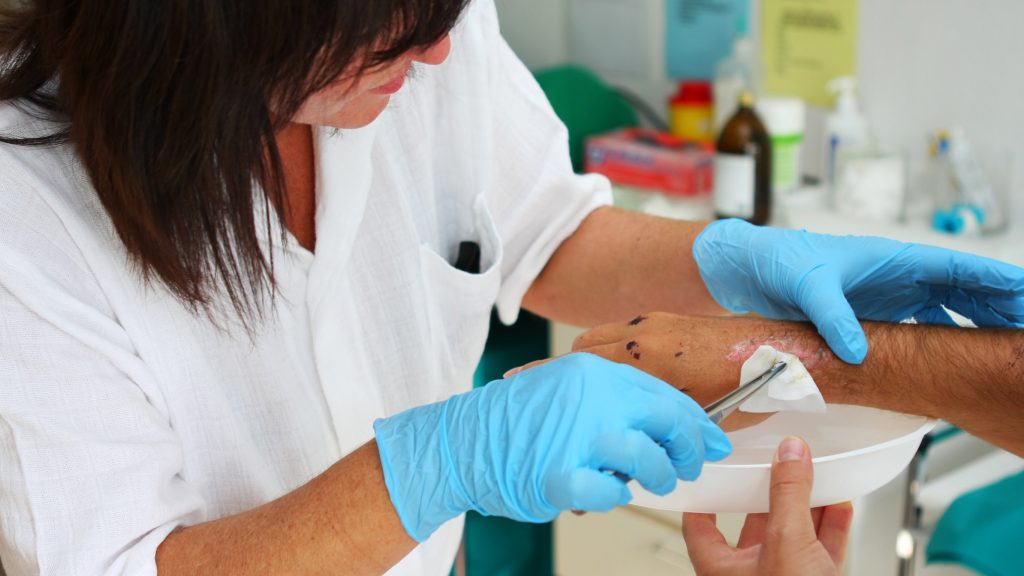
- Use saline or antiseptic solution to gently clean the wound from the inside out or center outward, using cotton swabs or sterile gauze.
- Look for signs of infection: redness, swelling, foul odor, discharge, or increased pain.
4. Pack the Wound (If Instructed)
- Moisten your packing material as directed.
- Use a sterile cotton-tipped applicator or gloved fingers to gently fill the wound cavity.
- Avoid over-packing—the material should be snug, not tight.
5. Apply a New Dressing
- Cover with sterile gauze or a non-adherent dressing.
- Secure with medical tape or a self-adhesive bandage.
- Ensure the dressing lies flat and does not restrict circulation.
6. Dispose and Sanitize
- Remove gloves and discard all used materials in a sealed trash bag.
- Wash your hands thoroughly.

When to Call Your Doctor
Healing wounds can still encounter setbacks. Contact your healthcare provider if you notice:
- New or increased pain around the wound
- Increased redness, swelling, or warmth
- Thick yellow, green, or foul-smelling drainage
- Fever over 38°C (100.4°F)
- Red streaks spreading from the wound
At Davies Pharmacy, our pharmacists can also help identify minor issues and direct you to appropriate care if needed.
Pro Tips for Easier Wound Care at Home
Drawing from Neil Patel’s emphasis on reader engagement and clarity, here are practical tips to simplify your routine:
✅ Create a Routine
Change dressings at the same time every day, ideally when you’re most alert and least rushed. Consistency reduces stress and builds confidence.
✅ Use a Mirror or Get Help
If your wound is in a hard-to-reach spot, use a mirror or ask a loved one or caregiver for assistance.
✅ Set Reminders
Use your phone to set alarms for dressing changes or medication times. This builds a reliable healing schedule.
✅ Order Refills Ahead
Running low on gauze or antiseptic? Use our online appointment tool to speak with a Davies pharmacist and restock before you’re out.

What Makes Davies Pharmacy Different?
We’re more than a pharmacy. We’re a North Vancouver institution, committed to local care since 1974. Here’s why thousands trust us for wound care:
✔ Customized wound care packages based on your physician’s instructions
✔ Pharmacists trained in post-surgical and chronic wound support
✔ Fast, friendly consultations
✔ Convenient product reordering and home delivery
We’ll help you navigate your wound care with compassion, not complexity.

Final Thoughts: Wound Care Isn’t Just Clinical—It’s Personal
Caring for a wound at home might feel intimidating. But with the right support, a personalized care package, and a clear routine, you can confidently manage your healing process.
Let our team at Davies Pharmacy support your journey—from selecting the right supplies to providing in-person or phone consultations. We’re here to make wound care a little less clinical and a lot more compassionate.
⬇️ Book an appointment today:
Online Appointment Booking
Visit Our Home Page
Reach Out to Our Team
Because healing starts with trust. And we’ve built ours, one patient at a time.