

When someone says community acquired pneumonia Canada, it may sound technical — but for thousands of Canadians each year, it’s a serious and preventable threat.
In Canada, community acquired pneumonia (CAP) remains one of the top causes of hospital admissions and complications, especially among seniors and those with chronic illnesses. But knowledge is power. Read on to understand what community acquired pneumonia Canada means, its risks, and how Davies Pharmacy supports prevention and care.
1. What Is Community Acquired Pneumonia Canada?
Community acquired pneumonia Canada refers to lung infections contracted outside hospitals or healthcare facilities — in the community, homes, schools, or workplaces.
It occurs when bacteria, viruses or occasionally fungi invade the lungs and inflame the alveoli. Fluids or pus may fill the air sacs, making breathing painful and limiting oxygen absorption.
Symptoms often include:
-
Persistent cough (sometimes producing green/yellow sputum)
-
Fever with sweats or chills
-
Shortness of breath or chest discomfort
-
Fatigue, muscle aches, and confusion in older adults
Yes, if you’re wondering what community acquired pneumonia Canada looks like, these are the hallmarks — and it’s more common than many expect.
Need help? Book a consultation with our pharmacist to learn how to reduce your risk.
2. How Common Is Community Acquired Pneumonia Canada?
In Canada, community acquired pneumonia Canada affects 347 per 100,000 people yearly — but risk spikes sharply at age extremes: infants under 4 and adults over 65 Ontario and BC show similar trends, with CAP being a significant health and financial burden on the healthcare system.
Seasonal patterns show more cases during cold months, while year-round Mycoplasma pneumoniae outbreaks occur in younger demographics. So when Canadians talk about community acquired pneumonia Canada, they’re highlighting a condition that’s common, cyclical, and potentially costly.
3. Who Is Most at Risk?
Whether young or old, certain risk factors increase your chance of CAP. Understanding them can guide prevention:
-
Age: People over 65 are particularly vulnerable; smokers, residents of long-term care, and those with chronic diseases have much higher risk
-
Lifestyle: Smoking, alcohol misuse, crowded living conditions, and poor oral health elevate risk significantly
-
Health conditions: COPD, diabetes, heart disease, immune disorders — all increase susceptibility
If you’re wondering “can community acquired pneumonia Canada happen to me?”, these factors are key to assessing your risk.
4. Diagnosing Community Acquired Pneumonia Canada
Recognizing CAP early is critical. Diagnosis usually involves:
-
Examination: Listening for crackles or wheezing in the lungs
-
Lab tests: CRP or procalcitonin can guide diagnosis; CRP <20 mg/L may rule out bacterial CAP
-
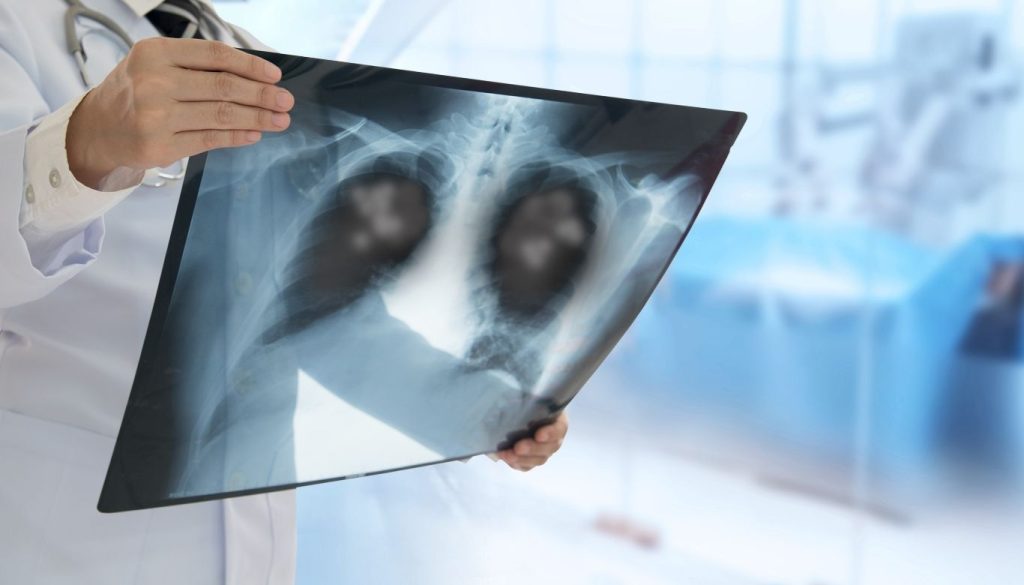
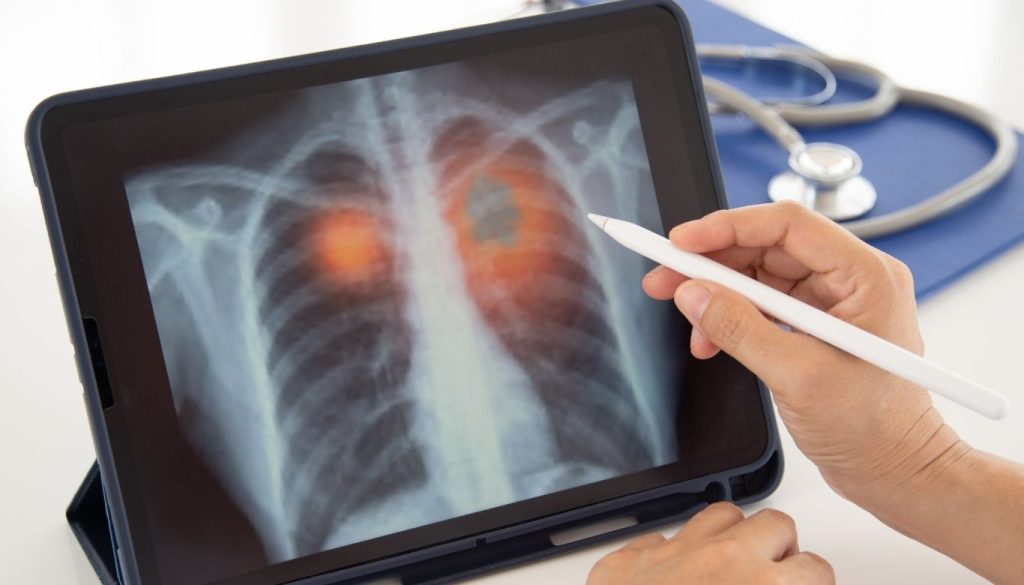
Imaging: Chest X-ray usually confirms pneumonia; lung ultrasound is gaining traction as a radiation-free option
Severity assessment tools include:
-
CURB-65 score: Considers Confusion, Urea, Respiratory rate, Blood pressure, and age ≥65 to guide admission decisions.
-
Pneumonia Severity Index (PSI): More detailed but often used in hospitalized patients . If your CURB-65 is 0–1, outpatient treatment is possible; score ≥3 usually means hospitalization is advised.
Concerned about symptoms? Visit our pharmacy for clinical support or to request medical follow-up.
5. Treating Community Acquired Pneumonia Canada
Canadian guidelines recommend:
-
Outpatient (mild CAP): Oral amoxicillin, or doxycycline/macrolide if atypicals are suspected (e.g. Mycoplasma)
-
Hospitalized cases: IV beta-lactam plus macrolide (e.g. ceftriaxone + azithromycin), or respiratory fluoroquinolone if needed
-
Treat for 5–7 days, extend if complications like empyema or risk of specific bacteria (e.g. MRSA, Pseudomonas) exist
Certain patients (e.g. with abscess or empyema) may require anaerobic coverage or drainage. Corticosteroids may benefit severe hospitalized CAP cases
Davies Pharmacy can assist with medication review, antibiotic compliance packs, and ensuring proper dosing during treatment.
6. Prevention Is Key — Vaccines & Lifestyle
Prevention of community acquired pneumonia Canada involves:
-
Vaccines: Pneumococcal vaccine for adults 65+, or with comorbidities; annual influenza vaccine for eligible Canadians
-
Lifestyle changes: Quit smoking, maintain oral hygiene, manage chronic illnesses, and improve nutrition
-
Infection control: Hand hygiene and respiratory etiquette help reduce spread in community settings.
Want help staying healthy? Book a medication review or vaccination consultation with our team.
7. What Are the Complications of Community Acquired Pneumonia Canada?
CAP complications may include:
-
Sepsis or respiratory failure requiring ICU-level care
-
Pleural effusion, empyema, or lung abscess, which may need drainage or surgery
-
Hospital readmission, prolonged recovery, or increased mortality (12% hospitalized mortality; up to 40% in severe cases)
Prompt treatment and follow-up X-rays (especially in older adults or smokers) can help detect lingering issues or complications early.
8. COST to the Canadian Healthcare System
Community acquired pneumonia Canada isn’t just a health issue — it’s an economic burden. Ontario estimates show significant direct and indirect healthcare costs, including hospital stays, diagnostics, and follow-up care
Reducing CAP through vaccination and early outpatient treatment helps ease both physical and financial strain on patients and health services.
9. Tips to Support Recovery at Home
If you’re recovering from community acquired pneumonia Canada:
-
Stay hydrated and rested; avoid exertion until fully recovered
-
Take medications exactly as prescribed; antibiotics must be completed even if symptoms improve
-
Watch for warning signs: worsening shortness of breath, high fever, or chest pain warrant immediate medical attention
-
Follow up with your doctor 4–6 weeks after illness, especially if you’re over 50 or have underlying lung disease — repeat chest X-ray may be recommended
Q&A: Community Acquired Pneumonia Canada FAQs
Can children get community acquired pneumonia Canada?
Yes — infants and young children are at high risk, especially from viral causes and Mycoplasma
Is CAP contagious?
The pathogens (like influenza or pneumococcus) can spread; close-contact prevention helps. CAP isn’t “catching pneumonia” itself — it’s infection of the lungs after exposure.
Why might someone need ct scan or ultrasound after CAP?
To detect complications (abscess, effusion) or clarify persistent symptoms if recovery is slow.
Summary: Understanding Community Acquired Pneumonia Canada
-
Community acquired pneumonia Canada refers to lung infections contracted outside healthcare settings.
-
It’s common, especially in vulnerable groups, and spreads more in winter.
-
Early diagnosis, using tools like CURB-65 or PSI, helps determine outpatient vs hospital care.
-
Treatment involves empirical antibiotics tailored to likely pathogens.
-
Prevention through vaccination, lifestyle, and safe practices significantly reduces risk and burden.

Outro: More Than a Pharmacy — We’re Your Community Partner
At Davies Prescription Pharmacy, we’ve been proudly serving the North Shore community since 1974. For issues like community acquired pneumonia Canada, we’re here with:
-
Medication reviews and compliance packs
-
Immunization services (flu, pneumococcal)
-
Travel health and respiratory support
Need mobility aids or homecare support after illness? Visit our sister company, Davies Home Healthcare, for stairlifts, hospital beds, wheelchairs, and more.